The Ultimate Guide to Commercial Flat Roof Drainage and Maintenance
If you own or manage a commercial property in Indy, you already know that our weather is anything but predictable. From torrential spring downpours to sudden, severe Midwest storms, your building's exterior takes a beating year-round. While residential pitched roofs naturally shed water, commercial flat roofs face a unique set of challenges. Without a properly functioning drainage system, a flat roof can quickly turn into a shallow pool, leading to structural damage, compromised materials, and expensive interior leaks.
At SafeHaven Roofing Co., we understand that your commercial property is a massive investment. When water stops flowing off your roof and starts pooling instead, the clock is ticking. In this guide, we will walk you through the essentials of commercial flat roof drainage system maintenance, how to identify early warning signs of water damage, and the steps you can take to protect your building from the elements.
Whether you are dealing with an aging EPDM system or a modern, energy-efficient membrane, staying proactive with your commercial roofing maintenance is the smartest way to protect your bottom line and avoid unexpected operational downtime.
The Dangers of Ponding Water on Flat Roofs
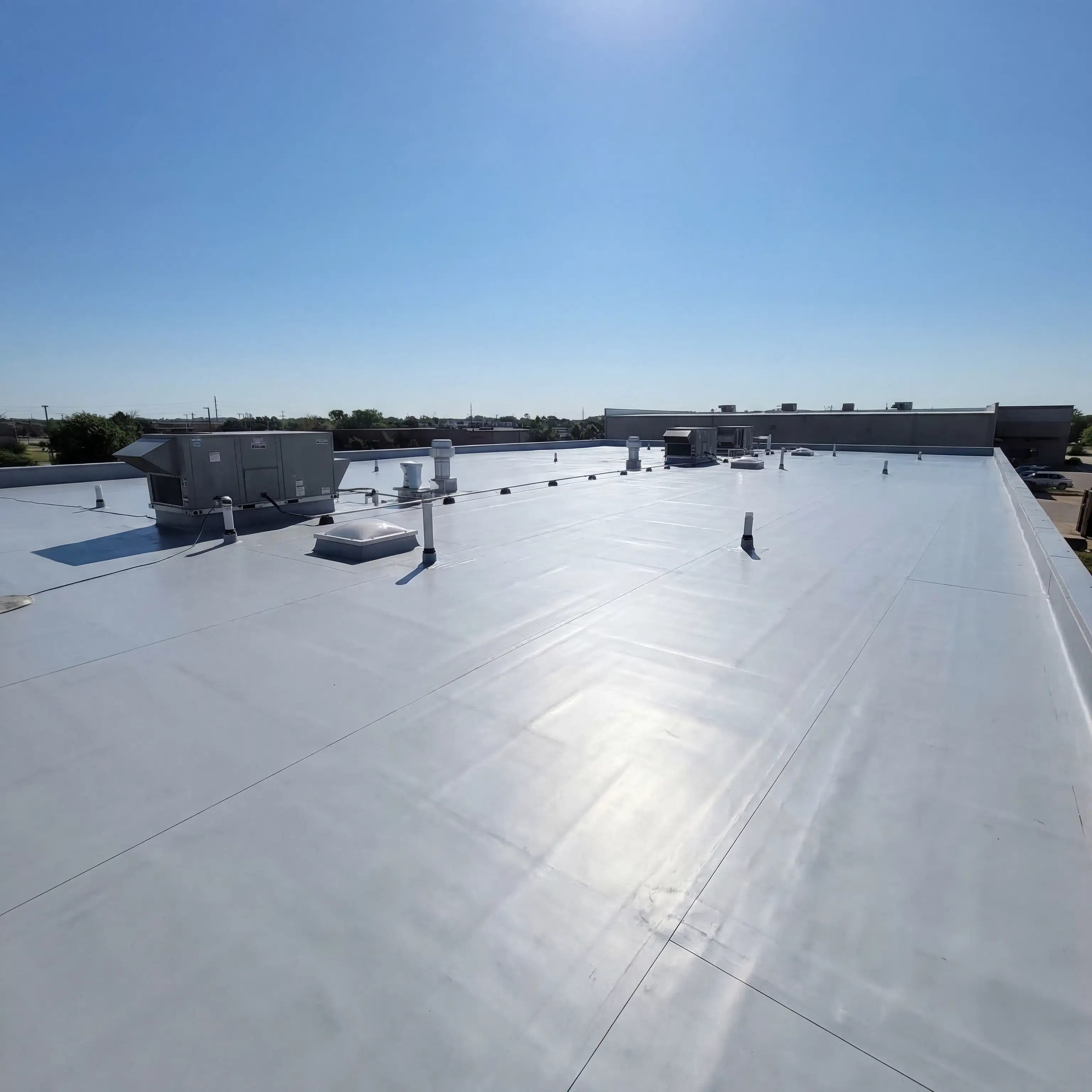
One of the most common issues property managers face is standing water, often referred to as "ponding." By industry standards, water that remains on a roof for more than 48 hours after a rainstorm is considered ponding. But why is this so dangerous?
First, water is incredibly heavy. A one-inch deep pool of water across a 20-by-20-foot area weighs over a ton. This excess weight puts immense stress on your building's structural integrity. Furthermore, standing water acts like a magnifying glass under the intense summer sun, accelerating the degradation of your roofing membrane.
If you are looking for signs of ponding water damage on TPO roofing or EPDM systems, keep an eye out for:
- Discoloration or dark rings on the roof surface where water frequently evaporates.
- Algae or vegetation growth in low spots.
- Bubbling, blistering, or peeling seams around the affected area.
- Sagging in the roof deck between joists.
Preventing low slope roof leaks from standing water starts with recognizing these signs early. Once the seams of your roofing membrane are compromised by constant submersion, water will inevitably find its way into your insulation and the building below, creating a ripple effect of costly interior damage and potential mold growth.
Commercial Flat Roof Drainage System Maintenance
Your flat roof relies on a carefully engineered network of components to move water away from the building. These typically include internal drains, edge scuppers, and commercial gutters. Keeping these pathways clear is the cornerstone of commercial flat roof drainage system maintenance.
Here are the critical steps to keep your drainage system functioning optimally:
1. Clear Debris Regularly
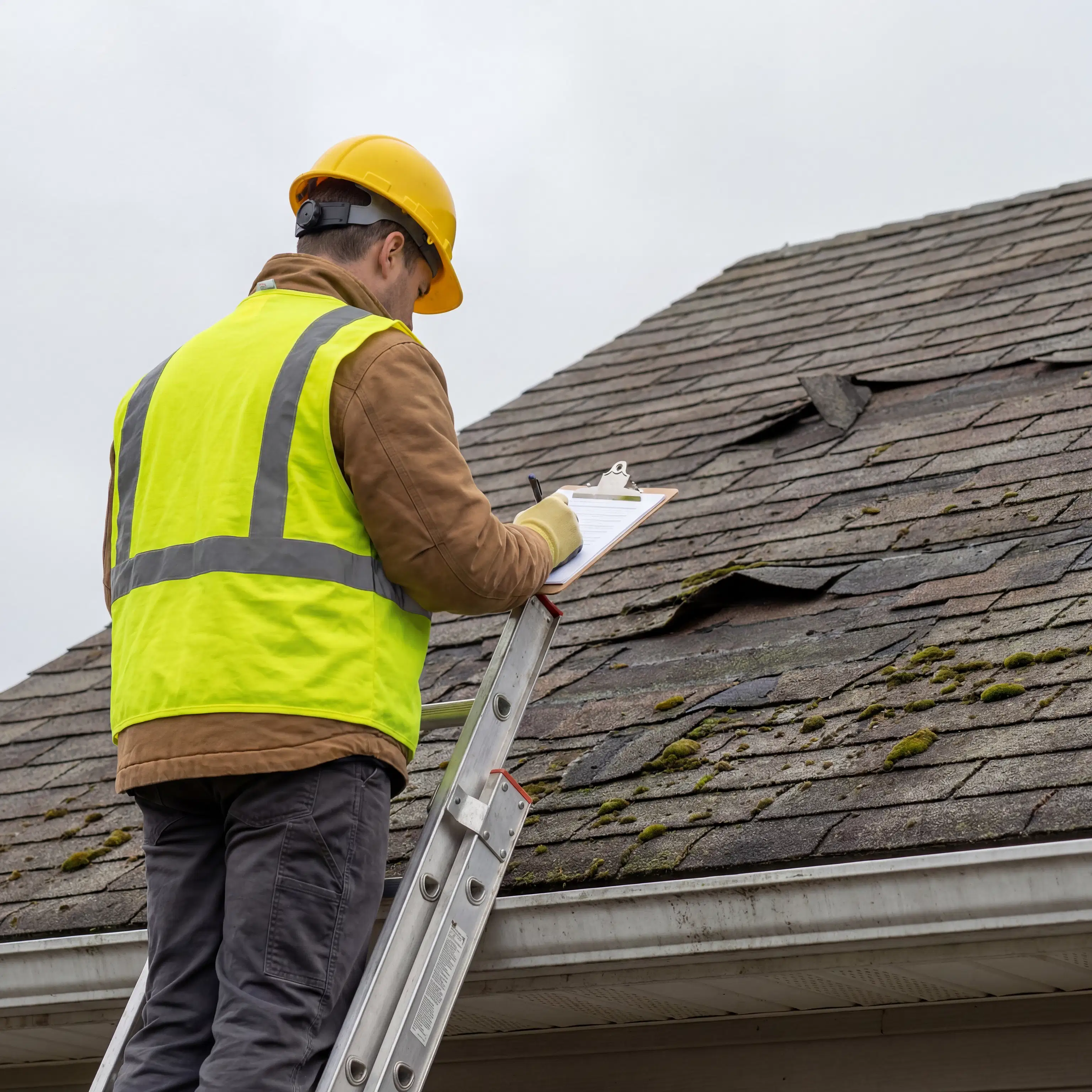
Leaves, twigs, dirt, and even trash blown by the wind can quickly clog drain strainers and scuppers. When drains are blocked, water has nowhere to go. We recommend scheduling a comprehensive roof inspection and repair sweep at least twice a year—ideally in late fall after the leaves drop and in early spring before the heavy rains begin.
2. Inspect and Clean Drain Strainers
Internal drains rely on dome strainers to keep large debris out of your plumbing. Check these domes to ensure they are securely fastened and unbroken. A cracked strainer can allow debris into the pipes, leading to a much more complicated plumbing issue deep within your building's walls.
3. Check for Proper Pitch
Sometimes, the issue isn't a clog, but the roof's slope itself. As buildings settle over time, the roof deck can shift, creating new low spots. If you are wondering how to fix standing water on flat commercial roof structures, the solution often involves adding tapered insulation to re-establish a positive slope toward the drains.
At SafeHaven Roofing Co., we embrace technical precision. We utilize modern technology, including drone-based roof inspections and 3D aerial measurement software, to accurately map your roof's pitch. This allows us to pinpoint exactly where drainage is failing and provide tailored solutions that align with strict Marion County building codes.
Preparing for the Unexpected
Even with the most diligent maintenance routine, severe weather at the Crossroads of America can sometimes overwhelm a roofing system. High winds can rip off flashing, and sudden hail can puncture aging membranes, compromising your drainage and waterproofing all at once.
When a major storm hits and water starts backing up into your facility, you don't have time to wait. Having a reliable local partner who can dispatch emergency roof repairs quickly is essential to mitigating interior damage and getting your business back to normal operations.
Proper commercial flat roof drainage isn't just about preventing leaks today; it's about extending the lifespan of your roof for decades to come. By prioritizing routine maintenance, clearing debris, and addressing ponding water immediately, you can avoid disruptive emergency situations and protect your investment.
If you are concerned about standing water on your property or want to establish a proactive maintenance plan, the team at SafeHaven Roofing Co. is here to help. Contact us today to schedule a detailed inspection of your commercial drainage system, and let us provide the lasting quality and care your building deserves.