
Storm Damage in Indy? Your Step-by-Step Guide to a Stress-Free Roof Insurance Claim
The skies over Indianapolis can turn dark in a hurry. One minute you're enjoying a quiet afternoon, and the next, you're listening to the unmistakable sound of hail hitting your roof. For any Hoosier homeowner, that sound brings a wave of anxiety. Once the storm passes, you're left with the daunting question: What now? Dealing with potential roof damage is stressful enough without adding the complexity of an insurance claim. The process can feel confusing and overwhelming, leaving you worried about getting fair coverage and a quality repair.
At SafeHaven Roofing Co., we understand. We're not just roofing experts; we're your neighbors. We've seen firsthand what Indiana's notorious storm season can do, and we've helped countless homeowners navigate the insurance process from start to finish. This guide is designed to demystify the steps, empower you with knowledge, and show you how to turn a stressful situation into a smooth, successful restoration of your home's most important protector.
First Things First: What to Do Immediately After a Storm
Before you pick up the phone to call your insurance agent, taking a few immediate steps can significantly impact the success of your claim.
1. Prioritize Safety: Your family's safety is the top priority. After a severe storm, walk around your property to check for downed power lines, fallen branches, or other immediate hazards. Avoid getting on your roof yourself; a storm-damaged roof can be unstable and slippery.
2. Document Everything (from the Ground): Your smartphone is your best tool in this initial phase. Safely walk around your home and take clear photos and videos of any visible damage. Look for:
- Dented or cracked shingles
- Missing shingles on the ground
- Damage to gutters, downspouts, and siding
- Dents on flashing, vents, or air conditioning units
This visual evidence creates a crucial record of the storm's impact before any repairs are made.
3. Make Temporary Fixes to Prevent Further Damage: If you have an active leak, it's essential to mitigate further water damage to your home's interior. This could involve placing a tarp over the affected area. However, avoid undertaking extensive DIY repairs. Insurance policies often require the adjuster to see the initial damage, and unauthorized work could complicate your claim. If you're facing a serious issue, it's best to call for emergency roof repairs from a professional who knows how to handle the situation without jeopardizing your claim.
Why a Professional Roof Inspection is Non-Negotiable
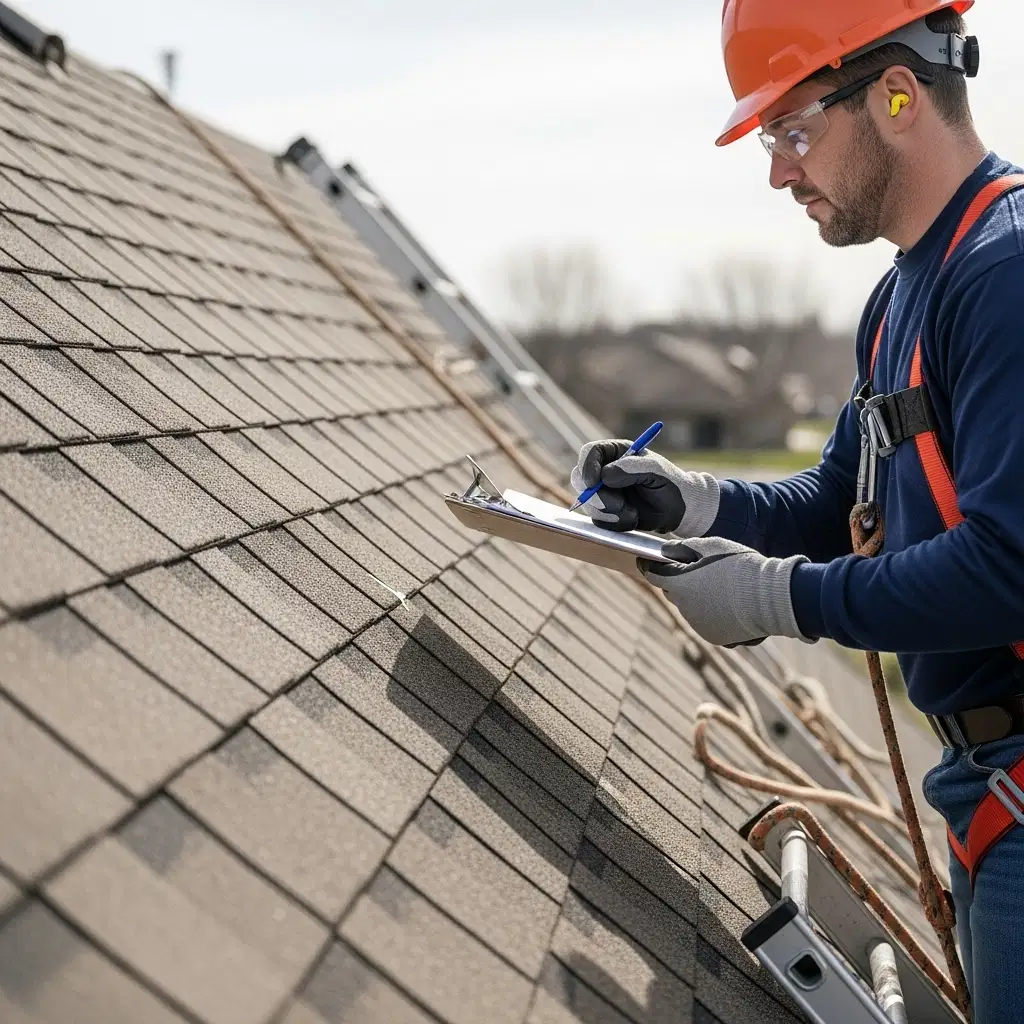
Here is the single most important piece of advice we can offer: Get a professional roof inspection before you file your claim. While it might seem logical to call your insurance company first, having an expert assessment from a trusted roofer provides you with a powerful advantage.
An insurance adjuster's job is to assess the damage from the insurer's perspective. A professional roofer is your advocate. At SafeHaven, our core value of detailed inspections means we conduct a thorough, multi-point assessment to identify all storm-related damage—even the subtle signs an untrained eye might miss. This includes:
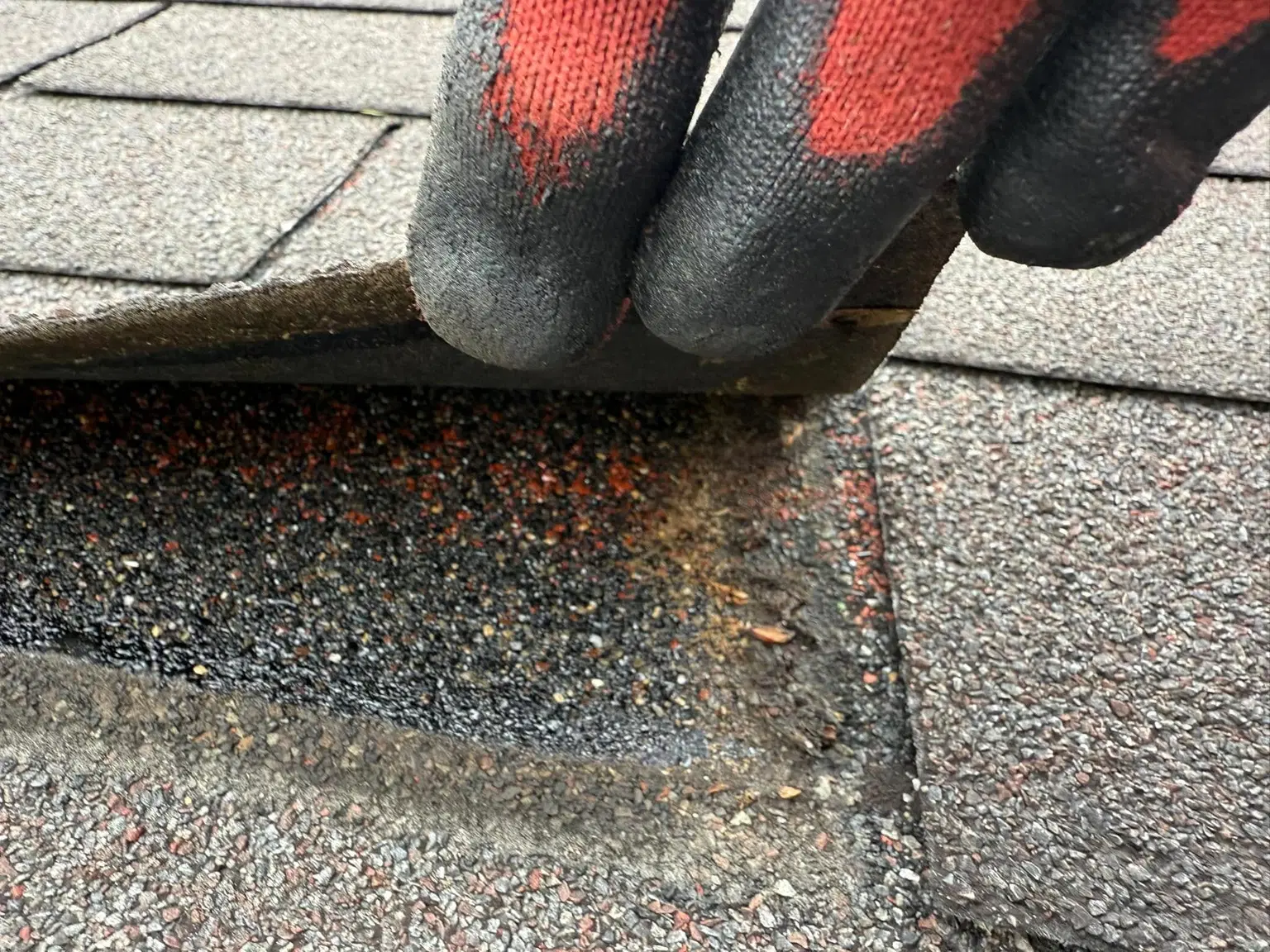
- Hail Impact: We look for bruising and granule loss on shingles, which compromises their integrity and shortens their lifespan.
- Wind Damage: We check for lifted or creased shingles that have broken their seals, making them vulnerable to leaks.
- Component Damage: We inspect flashing, vents, pipe boots, and gutters, as damage to these components is often covered by insurance.
This detailed report, complete with photos and expert analysis, serves as your baseline evidence. It ensures that when the adjuster arrives, you have a comprehensive and accurate understanding of the full scope of the damage. This proactive step helps prevent your claim from being undervalued or wrongfully denied. A proper roof inspection and repair plan is the foundation of a successful claim.
Filing Your Claim and Working with the Adjuster
With your professional inspection report in hand, you're ready to contact your insurance company. Here’s how to navigate the process smoothly:
-
Initiate the Claim: Call your insurance agent or the claims department number listed on your policy. Have your policy number and the date of the storm ready. Let them know you have storm damage and have already had it professionally documented.
-
Schedule the Adjuster's Visit: Your insurance company will assign an adjuster to inspect your property. When they call to schedule, it is highly recommended that you have your roofer present for this meeting. This allows your contractor to walk the roof with the adjuster, point out the documented damage, and ensure nothing is overlooked. It creates a collaborative environment and helps align both assessments from the start.
-
Understand the Insurance Paperwork: After the visit, the adjuster will provide a “scope of work” or loss summary. This document details what they believe is damaged and the amount the insurance company will pay for repairs, minus your deductible. It may also include a term called “depreciation,” which is the value the materials have lost over time. Don't worry if this initial estimate seems low or differs from your roofer's quote; a reputable contractor can help you understand the numbers and, if necessary, file for supplements to cover any missing items.
Your Partner in Storm Recovery
Dealing with storm damage is never easy, but you don't have to go through it alone. By following a clear process—documenting the damage, securing a professional inspection before filing, and having an expert by your side during the adjuster meeting—you can navigate your insurance claim with confidence and peace of mind.
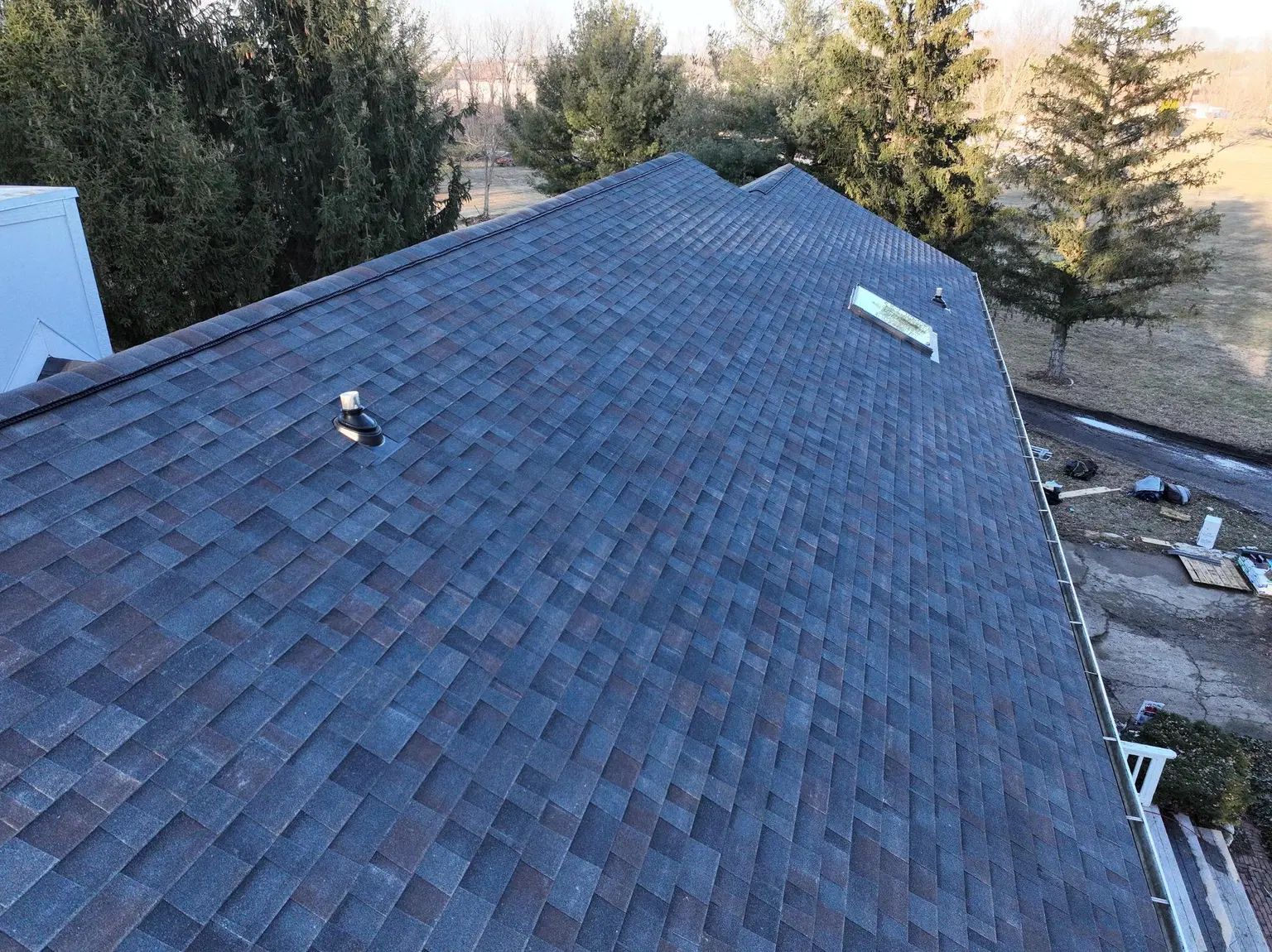
A successful claim doesn't just repair the damage; it restores your home's safety and value. A full residential roof replacement with high-quality, impact-resistant materials can leave your home better protected than it was before the storm. And since storms often damage more than just the roof, it's the perfect time to assess your gutter system as well.
If your home has been hit by a recent storm in the Indianapolis area, don't wait for a small problem to become a major one. Contact SafeHaven Roofing Co. today at (317) 268-2021 or visit our contact page to schedule a free, no-obligation storm damage inspection. Let us be your trusted partner in protecting your home.