
Protecting Your Concrete Driveway from Freeze-Thaw Damage
As the vibrant autumn leaves begin to fall across Pendleton and the surrounding communities, local homeowners know that winter is just around the corner. While most of us are busy checking our gutters and preparing our roofs for the upcoming snow, there is another highly exposed part of your property that desperately needs attention before the freezing temperatures arrive: your concrete surfaces.
Hoosier winters can be remarkably tough on a home's exterior. We experience rapid temperature fluctuations, sometimes dropping from a mild afternoon straight into a bitter, freezing night. This weather pattern creates a phenomenon known as the freeze-thaw cycle, which is the leading cause of premature deterioration, scaling, and cracking in exterior concrete.
At SafeHaven Roofing Co., we have built our reputation on providing lasting quality and technical precision to protect the tops of homes. However, complete home protection does not stop at the roofline. That is why we are committed to helping you safeguard your property from the ground up. Let us explore exactly how winter weather damages concrete and, more importantly, the proven strategies for preventing freeze thaw concrete driveway damage before the first major snowfall.

The Hidden Danger of the Freeze-Thaw Cycle
To effectively protect your concrete, it helps to understand exactly what happens to it when the temperature drops. Concrete is incredibly durable, but it is also inherently porous. Much like a very dense, heavy sponge, it contains microscopic capillaries that absorb moisture from rain, melting snow, and morning frost.
When the water trapped inside these microscopic pores freezes, it expands by up to nine percent. This expansion generates immense internal pressure within the concrete slab. During a typical winter, the trapped water will freeze and thaw dozens of times. Each time it expands, it pushes against the walls of the pores, slowly breaking down the internal structure of the material.
Over time, this repeated stress causes the top layer of the concrete to flake or pit, a process commonly referred to as spalling. Eventually, the micro-fractures connect and form large, visible cracks across your driveway. If left unaddressed, this ongoing damage can drastically reduce the lifespan of your surfaces and force a costly replacement far sooner than anticipated.
How to Protect Concrete Driveways in Winter
The secret to longevity is proactive maintenance. Just as you would not wait for water to pour through your ceiling to consider the health of your roof, you should not wait for massive cracks to appear before protecting your driveway.
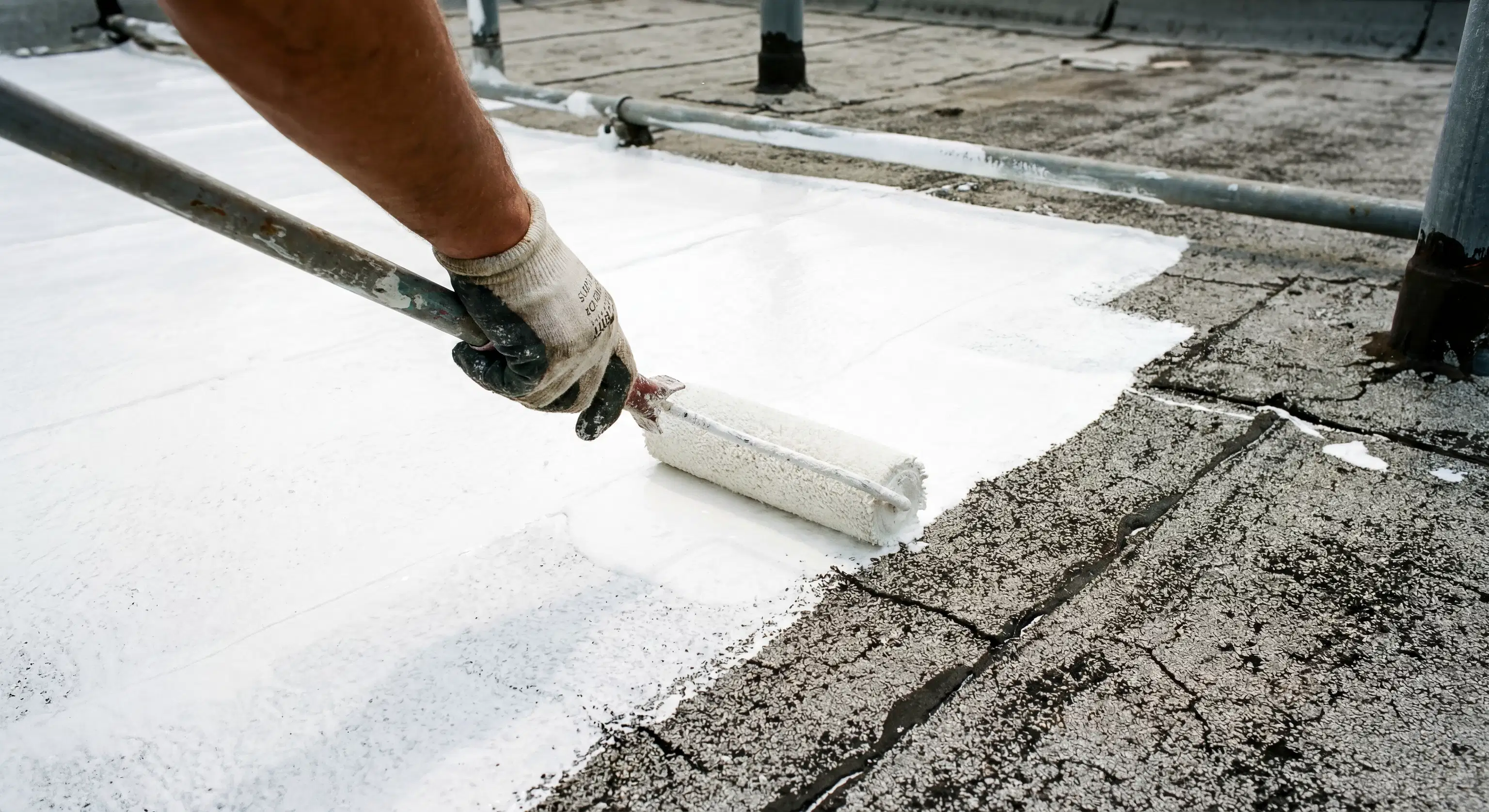
The single most effective way to combat the freeze-thaw cycle is by applying a high-quality, penetrating concrete sealer. Unlike topical sealers that just sit on the surface, a silane-siloxane penetrating sealer absorbs deeply into the pores and creates a hydrophobic barrier. This causes water to bead up on the surface rather than soaking in. Applying a sealer in the crisp autumn weather ensures your driveway is fully cured and protected long before the ice arrives.
Safe Winter Maintenance and Deicing Practices
Once the snow actually starts falling, how you manage ice accumulation plays a massive role in the health of your concrete. The tools and products you use can either preserve your driveway or accelerate its destruction.
First, always opt for a plastic shovel or a snow blower with a rubber-edged auger. Metal shovels can easily gouge and scratch the surface of your driveway, scraping away protective sealants and leaving the porous concrete exposed to the elements.
Secondly, pay close attention to the chemicals you use to melt ice. Traditional rock salt (sodium chloride) is notorious for damaging concrete. It lowers the freezing point of water just enough to turn ice into a liquid during the day, which then seeps into the concrete and refreezes when temperatures plummet at night, accelerating the freeze-thaw damage.
Instead, you need to use safe deicing products for concrete patios and driveways. Magnesium chloride or calcium chloride are much better alternatives. They melt ice at significantly lower temperatures and are generally less harsh on both your concrete surfaces and your surrounding landscaping. If you have an established outdoor living space, taking the time to sweep off snow rather than heavily treating it with chemicals is always the safest bet for protecting your beautiful patios.
When Repair is Not Enough
Sometimes, despite our best efforts, time and harsh weather win out. If your driveway is already suffering from severe spalling, extensive spiderweb cracking, or uneven settling, a simple sealant will not reverse the damage. These structural issues can create tripping hazards and drastically reduce your home's curb appeal.
If you find yourself in this situation, it might be time for a fresh start. A properly poured and finished concrete slab, installed with adequate drainage and control joints, will stand up to decades of seasonal shifts. Modern concrete techniques and higher-grade materials mean that today's installations are significantly more resilient to winter weather than those poured twenty or thirty years ago.
At SafeHaven Roofing Co., we understand that a home is a comprehensive system. The same commitment to detailed inspections, technical precision, and tailored solutions that we bring to our roofing projects extends to our exterior ground services. Whether you need a stronger foundation for parking or a beautifully resilient walkway, we focus on providing lasting quality.

Protect Your Investment with SafeHaven Roofing Co.
Winter weather in Indy is unpredictable, but the damage it can do to unprotected concrete is entirely preventable. By understanding the freeze-thaw cycle, applying professional-grade sealers, and choosing the right deicing methods, you can add years of functional life to your property's exterior surfaces.
However, if your driveway has already lost the battle against the elements, do not let crumbling concrete bring down the value and safety of your home. We are proud to bring our trademark craftsmanship and transparency to our concrete driveways and walkways services.
If you are ready to upgrade your home's exterior with concrete that is built to endure the harshest Midwest winters, contact SafeHaven Roofing Co. today. From your roof down to your driveway, we are here to provide the exceptional service and reliable protection your home deserves.