How Soffit Ventilation Protects Roof Shingles
Living in Indy means our homes take a serious beating from the weather. From freezing winter ice accumulations to blistering summer humidity and sudden, unpredictable Midwest storms, a sturdy roof is your property's first line of defense. Most homeowners naturally focus their attention on the shingles themselves when evaluating their roof's health. We look for missing tabs after a heavy windstorm or check for granule loss. However, there is a hidden, often-ignored component working tirelessly behind the scenes to keep your roof system intact and healthy: your soffit ventilation.
While premium shingles and durable underlayment are essential, they can only perform effectively if they are installed over a properly ventilated deck. Without adequate airflow, even the most expensive, top-tier roofing materials will prematurely fail, leading to costly repairs and frustration. Today, we are going to dive deep into the mechanics of a breathing roof, explore how proper airflow safeguards your investment, and explain why evaluating your home's exterior ventilation is just as critical as inspecting the shingles.
The Mechanics of a Breathing Roof System
To truly understand how attic ventilation extends shingle life, you have to look at your house as a complete, interconnected system rather than just a collection of building materials. A healthy, long-lasting roof relies heavily on balanced attic intake and exhaust ventilation. This concept is the cornerstone of modern roofing science.
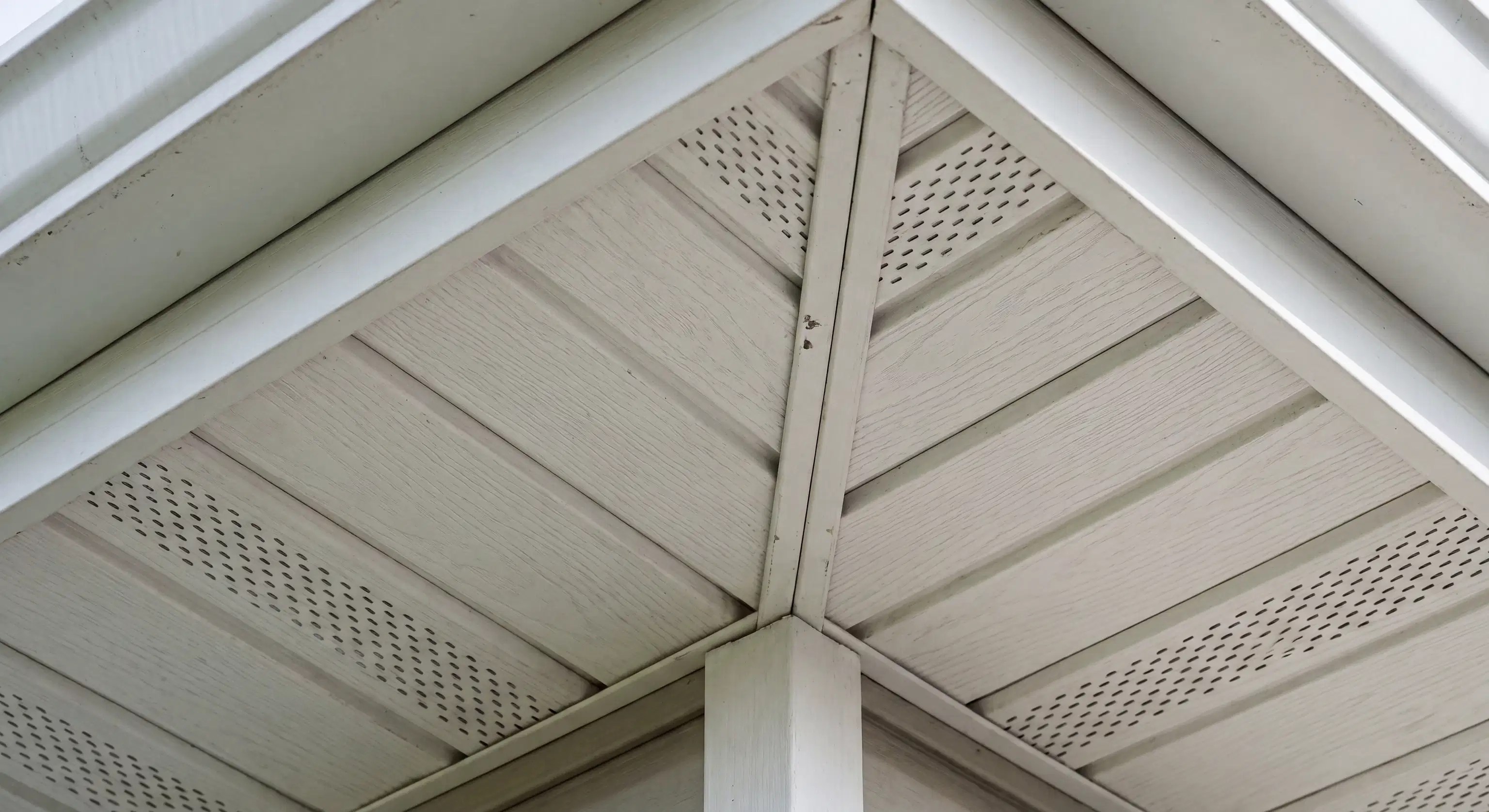
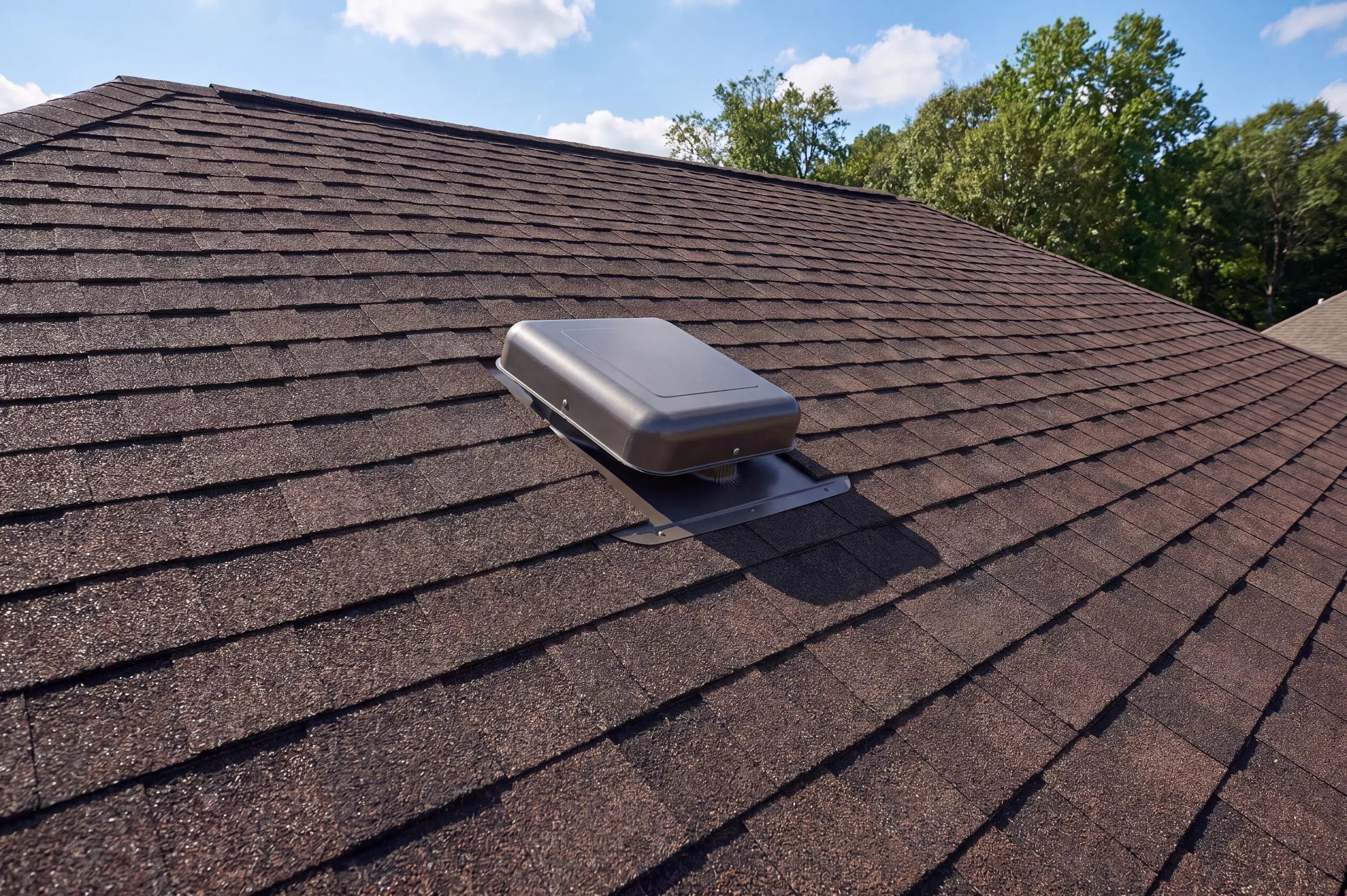
Here is how it works: Cool, fresh outdoor air needs a dedicated pathway to enter your attic space. This air enters through the intake vents located under the eaves of your roof—these are your soffit vents. As that fresh air makes its way inside, it naturally begins to warm up. Because warm air rises, it flows upward along the underside of your roof deck and eventually exits through the exhaust vents strategically placed at or near the very peak of your roof.
When this system is perfectly balanced, it creates a continuous, passive flow of air that flushes out excess heat and moisture. If you only have exhaust vents without proper intake from your fascia and soffit, the system chokes. It is exactly like trying to drink water from a bottle without letting any air in—the flow simply stops.
Fighting Back Against Harsh Hoosier Weather
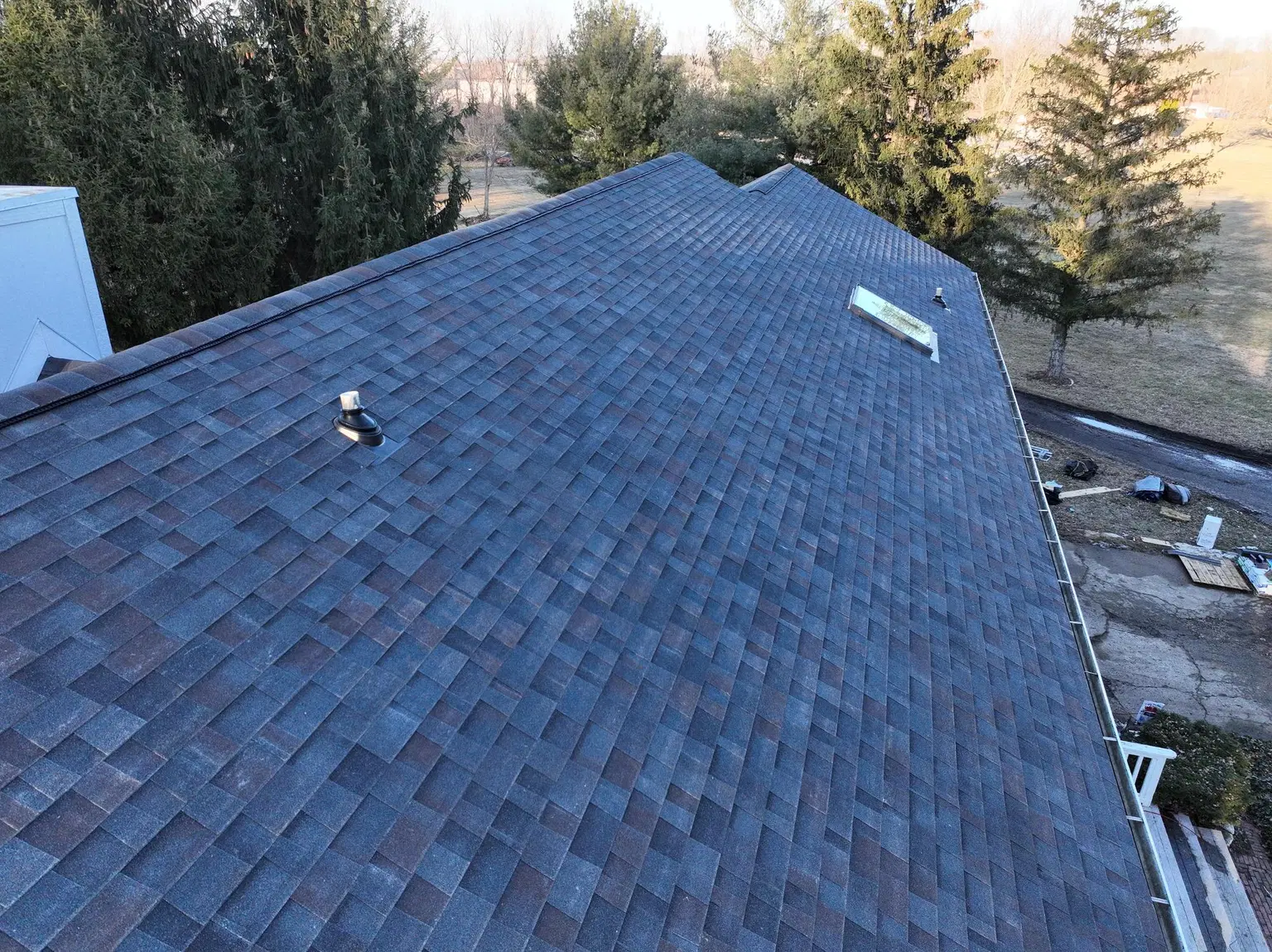
During our sweltering summer months, a poorly ventilated attic can easily reach temperatures exceeding 150 degrees Fahrenheit. This trapped, superheated air essentially turns your attic into an oven. Because the heat has nowhere to escape, it transfers directly into the roof decking and literally bakes your asphalt shingles from the inside out. This continuous baking process causes the shingles to blister, curl at the edges, and lose their protective granules prematurely.
But it is not just the intense summer heat you need to worry about. When freezing temperatures hit, poor ventilation becomes a major liability in a completely different way. Everyday household activities like showering, cooking, and running the laundry generate warm, moist air that naturally rises into the attic. Without balanced attic intake and exhaust ventilation to sweep that moisture away, it condenses on the cold roof deck, leading to wood rot, mold growth, and failing insulation.
Furthermore, uneven roof temperatures during the winter cause the snow on your roof to melt at the top and refreeze down at the colder eaves. This creates destructive ice dams that force trapped water underneath your shingles and directly into your living space.
Spotting the Danger Signs
Over time, your home's ventilation system can become compromised without you even realizing it. One of the most frequent issues we encounter is attic insulation that has been shoved or blown all the way to the edges of the roof line, completely suffocating the intake vents.
As a homeowner, it is important to know the signs of blocked soffit intake vents so you can address the problem before major damage occurs. Be on the lookout for peeling or blistering exterior paint near your eaves and upper siding. Inside the house, a noticeably hot or damp-smelling second floor during the summer is a major red flag. In the winter, you might notice excessive frost buildup on the nails poking through your attic ceiling. On the outside, if you see shingles that look wavy, warped, or cracked long before their manufacturer warranty should expire, blocked soffit vents are very likely the culprit.
Protect Your Investment Today
At SafeHaven Roofing Co., we do not just nail down new shingles and walk away; we engineer complete, long-lasting exterior solutions tailored to your specific home. Our core values center around technical precision, tailored solutions, and incredibly detailed inspections. We know that every home has its own unique architecture and challenges.
Your roof is one of the most significant capital investments you will make in your property, and protecting it means looking well beyond the surface layer. Ensuring your home has adequate, unblocked soffit and fascia ventilation is one of the absolute smartest ways to boost your property's energy efficiency, prevent structural rot, and safeguard your home against the wildly unpredictable Indiana weather.
Don't wait for the next major storm to reveal the hidden weaknesses in your roof's ventilation. Explore our comprehensive fascia & soffit solutions and residential roofing expertise today. To get started, contact us or call our dedicated local team directly at (317) 268-2021 to schedule your detailed inspection. Let's work together to make sure your home is fully protected, beautifully ventilated, and ready for whatever the season brings!