
Don't Let Winter Win: A Hoosier's Guide to Preventing Ice Dams and Roof Damage
Indiana winters can be beautiful, blanketing our neighborhoods in a quiet layer of snow. But for homeowners, that picturesque scene can hide a serious threat lurking on the rooftop: ice dams. These thick ridges of ice at the edge of your roof can cause significant water damage, leading to costly and stressful repairs. As your local roofing experts serving the greater Indianapolis area, we at SafeHaven Roofing Co. believe that the best defense is a good offense. This guide will walk you through what causes ice dams, the damage they can inflict, and most importantly, how you can prevent them from forming in the first place, protecting your home and your peace of mind.
What Exactly Is an Ice Dam?
An ice dam is a buildup of ice that forms along the eaves of a roof. It happens when a cycle of melting and refreezing occurs. Here’s the breakdown:
- Heat Escapes: Warm air from your home rises into the attic and heats the underside of your roof deck.
- Snow Melts: This warmth causes the snow on the upper parts of your roof to melt, even when the outside temperature is below freezing.
- Water Refreezes: The meltwater runs down the roof until it reaches the cold eaves and gutters, which are not warmed by the attic heat. Here, the water refreezes, creating a small dam.
As this process continues, the dam grows larger, trapping more and more water behind it. This standing water has nowhere to go but up, forcing its way underneath your shingles. Once inside, it can soak your roof decking, ruin your attic insulation, and leak into your ceilings and walls, causing structural damage and creating the perfect environment for mold and mildew to grow. What starts as a winter wonderland outside can quickly become a homeowner's nightmare inside.
The Real Culprits: Poor Insulation and Ventilation
While ice dams appear on the outside of your home, they are almost always a symptom of a problem on the inside. The two primary causes are inadequate attic insulation and improper ventilation. A healthy roof system is designed to keep the entire roof surface as cold as the outdoor air temperature.
-
Inadequate Insulation: Your attic floor should have a thick, even layer of insulation. This barrier is crucial for keeping the warm, conditioned air from your living spaces from escaping into the attic. When insulation is thin, compressed, or missing in spots, heat easily transfers to the roof deck, kicking off the melting process.
-
Poor Ventilation: A well-ventilated attic allows cold air to enter through vents in the lower part of the roof (soffits) and exit through vents at the peak (ridge). This constant airflow circulates cold air, preventing warm pockets from forming and keeping the roof deck uniformly cold. Blocked soffits or fascia can disrupt this critical cycle, contributing directly to ice dam formation. Addressing these core issues is the only way to find a long-term solution.
Proactive Steps for an Ice-Dam-Free Winter
Preventing ice dams is far more effective and less expensive than dealing with the aftermath. By taking a few proactive steps, you can ensure your home is prepared for whatever a Hoosier winter throws at it.
-
Seal Air Leaks: Before adding insulation, it's important to seal any air leaks from your living space into the attic. This includes gaps around light fixtures, plumbing vents, and the attic hatch.
-
Boost Your Insulation: Check your attic's insulation levels. The U.S. Department of Energy recommends R49 to R60 for attics in our climate zone, which translates to about 16-20 inches of fiberglass or cellulose insulation. A well-insulated attic is one of the best investments for both preventing ice dams and improving your home's energy efficiency.
-
Ensure Proper Ventilation: A professional can assess your attic's ventilation system to ensure it's functioning correctly. This includes checking that soffit vents are clear of debris or insulation and that you have adequate exhaust venting at the roof's peak.
-
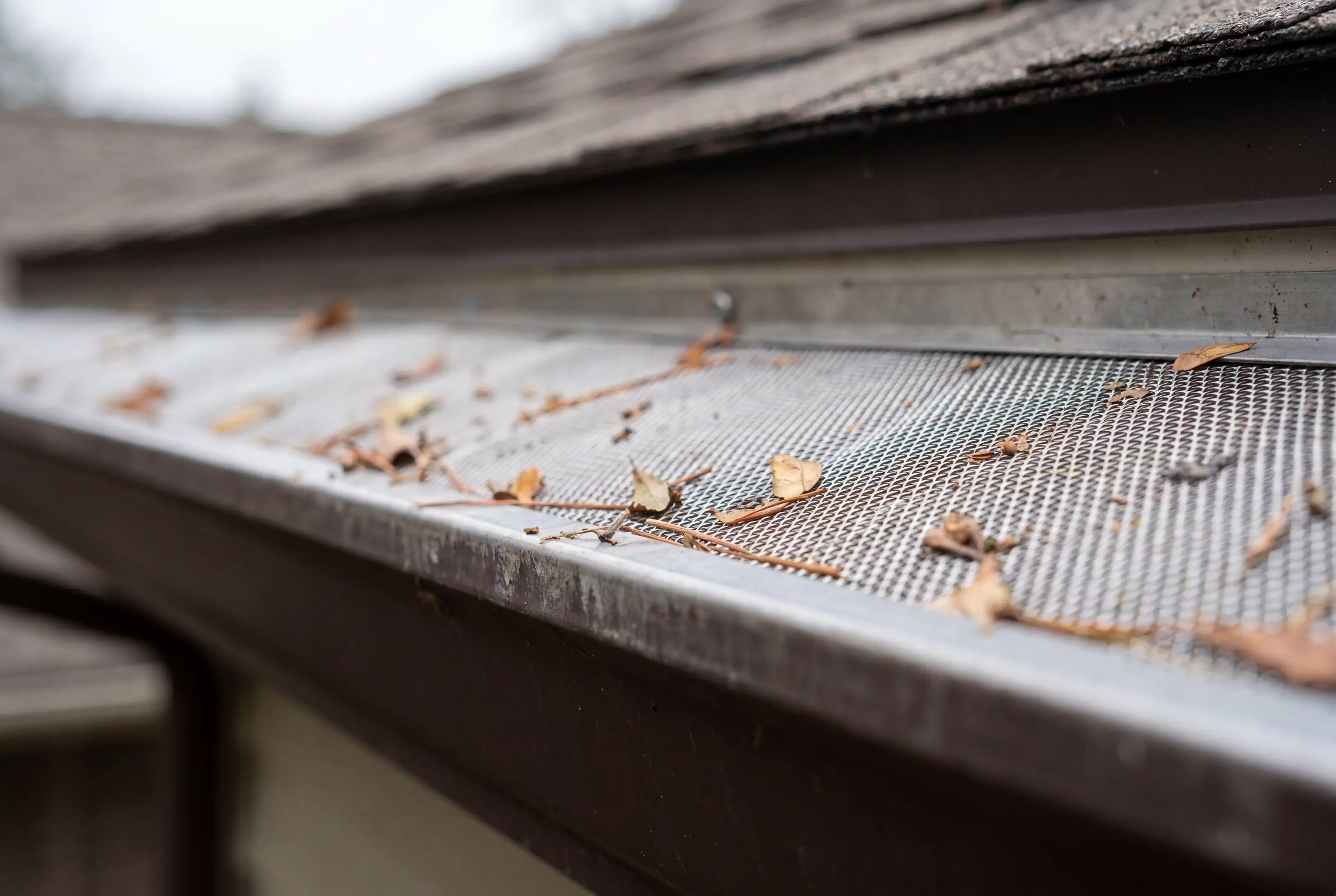
Maintain Your Gutters: Clean your gutters every fall after the leaves have dropped. Clogged gutters can't drain properly, which allows water to freeze and provides a foundation for ice dams to form. If your gutters are old or damaged, consider a professional gutter inspection or replacement.
-
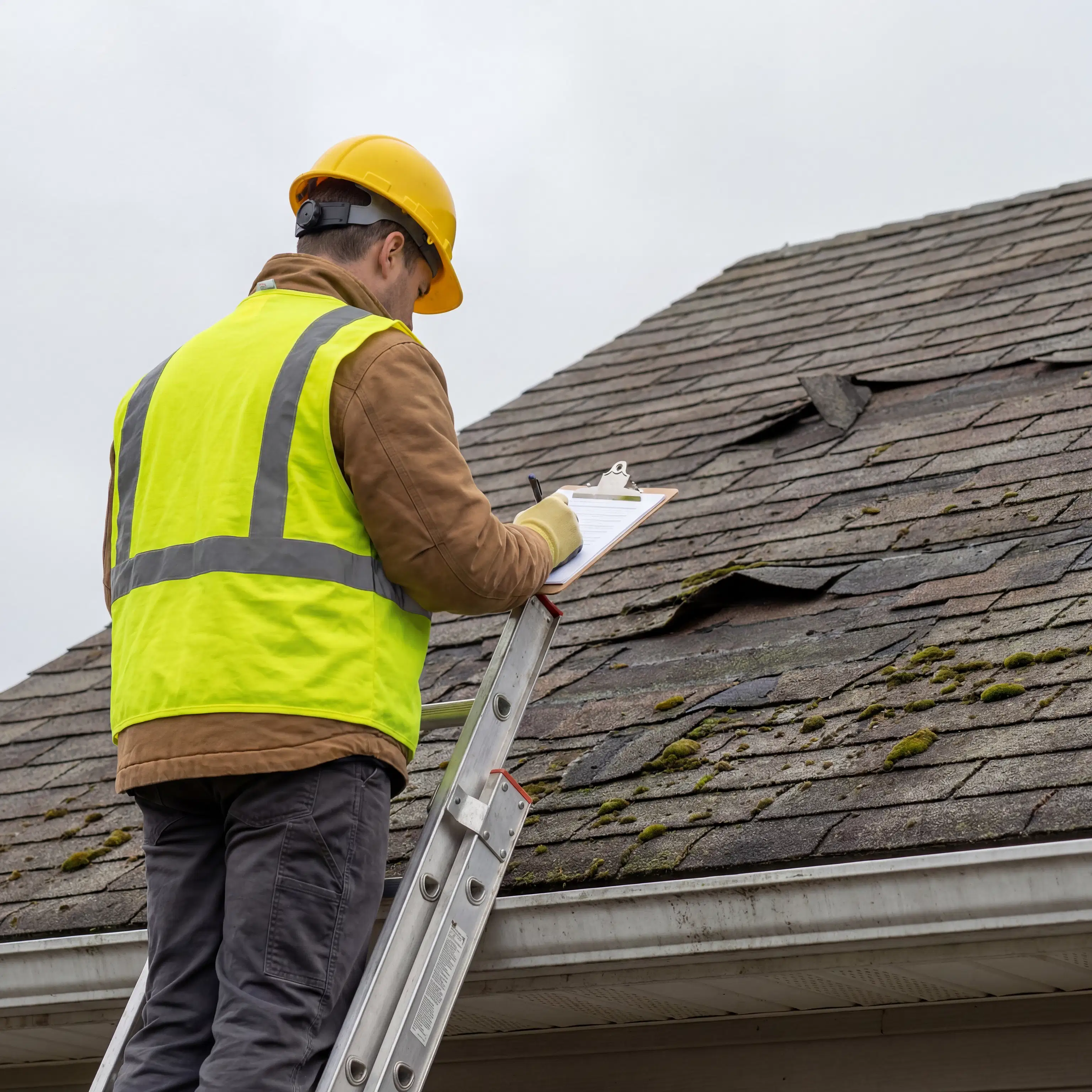
Schedule a Professional Inspection: The most reliable way to diagnose your roof's vulnerabilities is with a thorough roof inspection. A trained expert can identify issues with insulation, ventilation, and potential leak points before they become major problems.
Your Partner in Winter Roof Protection
Dealing with the threat of ice dams can feel overwhelming, but you don't have to do it alone. Protecting your home is about creating a complete system where your insulation, ventilation, and roofing materials all work together. A proactive approach not only prevents costly water damage but also enhances your home's energy efficiency and long-term value.
Before the snow flies, let the experts at SafeHaven Roofing Co. provide you with a detailed inspection and a clear plan to winter-proof your roof. We are committed to providing our neighbors throughout the Indianapolis area with reliable, high-quality solutions. Contact us today at (317) 268-2021 or schedule an inspection online to ensure your home is a safe haven this winter.